
A Beginner’s Guide to Wall & Floor Tiling: What You Need to Know
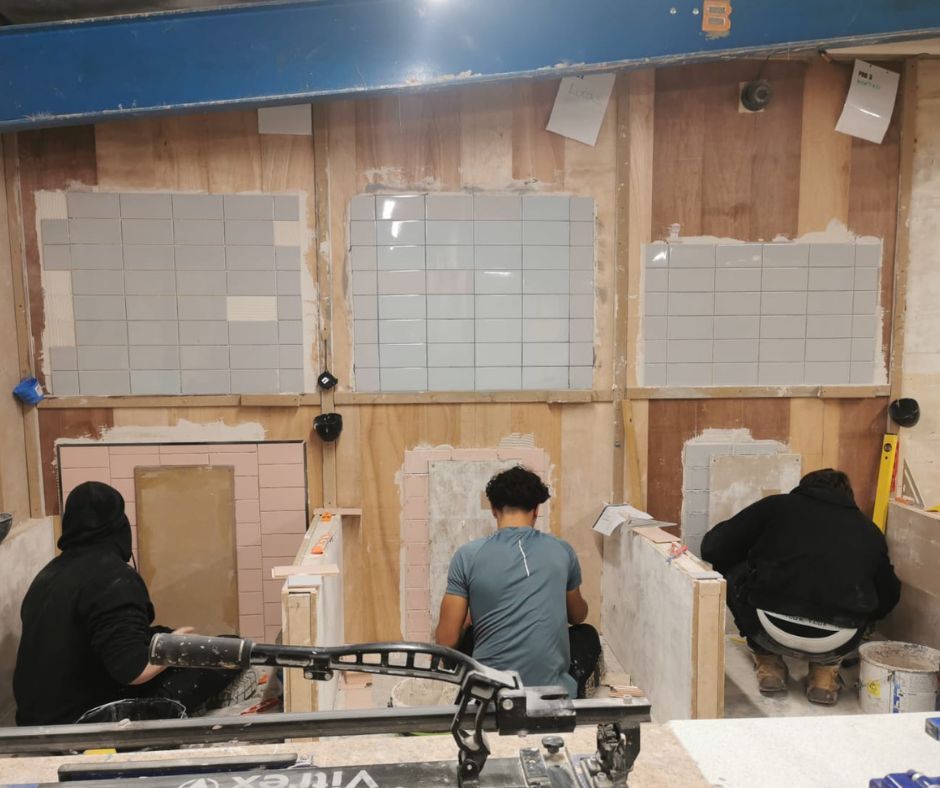
Learn the Skills to Create Stunning, Professional-Quality Surfaces
Tiling is one of the most essential and rewarding trades in the construction industry. Whether it’s transforming a kitchen splashback, designing a stylish bathroom, or laying durable flooring, wall and floor tiling requires precision, creativity, and technical expertise. For those who enjoy practical, hands-on work and the satisfaction of seeing visible results, tiling offers a career that is both versatile and fulfilling.
At Chameleon School of Construction, we equip learners with the practical skills, industry knowledge, and confidence to master the art of tiling. Whether you’re starting your first trade qualification or looking to build on your existing skills, understanding the fundamentals of wall and floor tiling is the first step toward a successful career in this dynamic trade.
What Does a Tiler Do?
A professional tiler installs wall and floor tiles across a variety of settings, including homes, commercial spaces, and industrial sites. Their work often covers areas such as kitchens, bathrooms, hallways, swimming pools, and large-scale construction projects. Tilers work with a variety of materials such as ceramic, porcelain, marble, glass, and natural stone — each requiring unique cutting and laying techniques.
The role involves much more than simply placing tiles in neat rows. Tilers must measure and prepare surfaces, cut tiles to fit complex shapes, mix adhesives and grouts, and ensure precise alignment and finish. Attention to detail, problem-solving skills, and a steady hand are essential to achieving the flawless results clients expect.
Why Choose a Career in Tiling?
A career in wall and floor tiling offers more than just job security. It gives you the freedom to work on a variety of projects, express creativity through design, and take pride in producing high-quality finishes that last.
Tiling is also a trade that allows for continuous growth, as new materials, patterns, and techniques evolve, there’s always something new to learn. Whether you want to work for a company or run your own business, the skills you gain through proper training can open doors to endless opportunities in the UK construction sector.
Essential Skills Every Tiler Needs
Wall and floor tiling combines practical skill with creativity.
To succeed in this trade, there are several key abilities every tiler should develop:
- Attention to Detail – Precision is critical. A single misaligned tile can throw off an entire wall or floor pattern.
- Mathematical Ability – Measuring areas accurately, calculating tile quantities, and working out angles are all part of a tiler’s daily routine.
- Patience and Problem Solving – Working around awkward spaces, uneven surfaces, or complex patterns requires careful thought and adaptability.
- Physical Fitness – Tiling often involves kneeling, bending, lifting, and carrying materials, so good physical condition is beneficial.
- Creativity and Aesthetic Sense – A good eye for design and colour helps create visually appealing results that suit the client’s style.
These skills can be developed through structured training, hands-on experience, and professional guidance, all of which are key elements of the tiling courses offered by Chameleon School of Construction.
Tools and Materials Used in Tiling
Before starting any project, tilers need to be familiar with the essential tools and materials used in the trade.
Common tools include:
- Tile cutters and saws
- Spirit levels and spacers
- Grouting floats and sponges
- Notched trowels
- Tile nippers
- Measuring tapes and pencils
Materials typically include different types of tiles, tile adhesive, grout, sealants, and sometimes underlay or waterproof membranes, depending on the location of the installation. Understanding which materials work best for each environment, such as moisture-resistant tiles for bathrooms or durable ceramic tiles for high-traffic areas, is crucial to delivering long-lasting results.
The Tiling Process: Step by Step
While every project is unique, the basic steps of wall and floor tiling generally follow a similar process:
- Surface Preparation – Ensuring that walls and floors are clean, smooth, and level is the foundation of quality tiling work.
- Planning the Layout – Measuring the area and marking guidelines help achieve balance and symmetry in the tile layout.
- Cutting Tiles – Each tile must be measured and carefully cut to fit perfectly around edges, corners, and fixtures such as pipes, sockets, and fittings, ensuring a clean and professional finish.
- Applying Adhesive – A suitable adhesive is spread evenly with a notched trowel to secure tiles in place.
- Laying Tiles – Tiles are precisely placed, with spacers used to keep even and consistent gaps between each tile for a uniform finish.
- Grouting – Once the adhesive has set, grout is applied between tiles to seal gaps and provide a finished look.
- Cleaning and Finishing – The final step involves cleaning excess grout and polishing the tiles for a professional finish.
Mastering these steps requires practice, precision, and guidance, which is what learners gain through Chameleon’s accredited tiling courses.
Career Opportunities in Wall & Floor Tiling
Tiling offers diverse career paths and strong employment prospects. Skilled tilers are consistently in demand across the UK due to ongoing residential, commercial, and renovation projects.
Qualified tilers can choose from various routes:
- Working for a construction company or property developer
- Specialising in kitchen or bathroom installations
- Focusing on decorative or mosaic tiling for bespoke projects
- Becoming self-employed and managing independent contracts
As experience grows, many tilers progress to supervisory positions, start their own businesses, or move into training and teaching roles. With the right qualifications and hands-on experience, tiling provides long-term job security and excellent earning potential.
How Chameleon School of Construction Can Help You
At Chameleon School of Construction, we specialise in helping learners gain the skills, confidence, and qualifications needed to excel in the construction industry. Our Wall and Floor Tiling Courses provide practical, hands-on experience in a professional training environment. You’ll learn how to cut, measure, and fit tiles accurately, use adhesives and grouts correctly, and complete projects to industry standards. Our qualified instructors bring years of experience and ensure that every learner receives one-to-one guidance and support.
Our courses, combined with hands-on workshop training with essential health and safety knowledge, giving you a comprehensive foundation to start your career confidently. Whether you’re a complete beginner or looking to formalise your existing skills, Chameleon School of Construction can help you develop the practical abilities and qualifications employers are looking for. We pride ourselves on flexible learning, small class sizes, and personalised training schedules that fit around your life and work commitments.
Start Your Tiling Career with Chameleon School of Construction
If you’re ready to begin a hands-on, rewarding, and secure career, Chameleon School of Construction is here to help you every step of the way. Our expert tutors, hands-on workshops, and nationally recognised qualifications help you build your skills and confidence in a supportive learning environment.
Start your journey towards becoming a professional wall and floor tiler today.
Learn more about our tiling courses, or get in touch to speak with one of our advisors about enrolment and funding options.